The Rise of All-Electronic Tolling: What It Means for Your Daily Commute
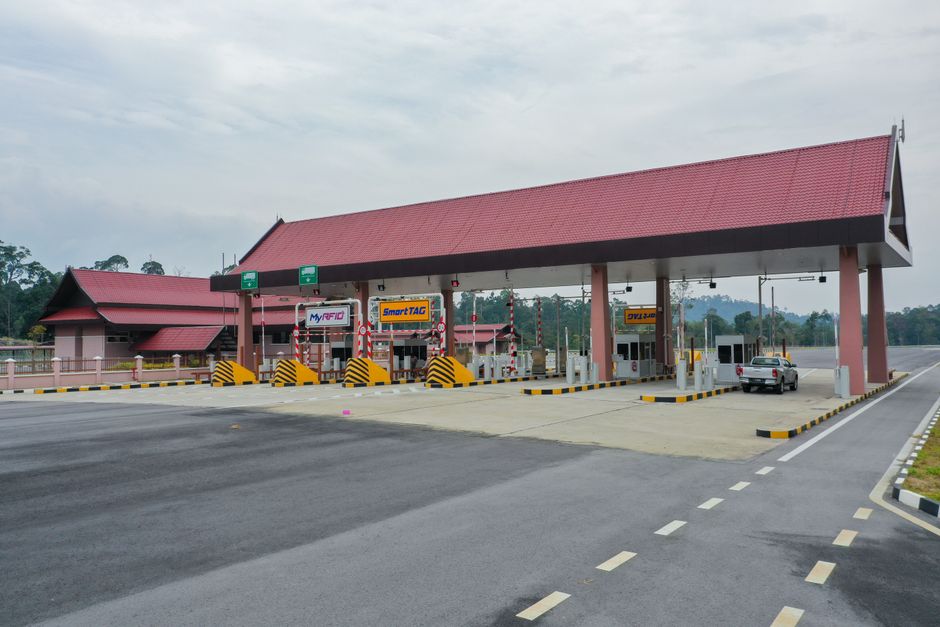
If you have driven on a major highway lately, you may have noticed something missing: the toll booth. Across the country, transportation agencies are replacing traditional cash lanes with overhead gantries that read transponders or photograph license plates as vehicles pass underneath at full speed. This shift, known as all-electronic tolling, or AET, is one of the biggest changes to highway travel in decades, and it affects nearly every driver, whether you have a transponder or not.
The basic idea behind AET is simple. Instead of stopping or slowing down to hand cash to an attendant, you drive at highway speed while sensors above the road capture your payment method. If you have a transponder account, the toll is deducted automatically. If you do not, a camera captures your plate and a bill is mailed to the registered owner. For agencies, this means lower staffing costs, less congestion at toll plazas, and fewer idling emissions. For drivers, it means smoother trips in theory, but also new responsibilities.
The Practical Upsides for Drivers
The most obvious benefit is time. Toll plazas have long been bottlenecks, especially during rush hour, when a single cash lane can back up traffic for miles. Removing the stop-and-go dynamic improves throughput and reduces the accordion effect that causes phantom traffic jams. Studies by transportation researchers have consistently found that electronic tolling increases lane capacity and reduces crash rates near plazas, largely because drivers are no longer weaving between lanes to find the shortest line.
There is also a financial angle, though it cuts both ways. Many agencies offer lower rates to transponder users than to drivers who receive a bill by mail. That means loyal commuters who set up an account often pay less per trip, while occasional drivers can face administrative fees on top of the base toll. If you frequently travel a tolled route, it is usually worth checking whether the agency offers a free or low-cost transponder and whether your account balance can be replenished automatically.
What to Watch Out For
The catch with AET is that there is no booth attendant to remind you that a payment is due. Rental car customers are especially vulnerable, since rental companies often charge daily convenience fees on top of the toll itself. If you are driving an unfamiliar vehicle, ask about toll policies before you leave the lot. Another common pitfall is outdated address information on your vehicle registration, which can mean a mailed bill never reaches you until penalties have piled up.
Looking ahead, expect more states to phase out cash entirely and to link their systems so that one transponder works across multiple regions. Some agencies are also experimenting with app-based payments and license plate accounts that do not require any hardware at all. The direction is clear: tolling is becoming invisible, automatic, and increasingly unavoidable on major routes. The best way to stay ahead is to set up an account, keep your plate and address current, and treat every tolled highway as a pay-as-you-go expense rather than a surprise in your mailbox.