Congestion Pricing Explained: When Tolls Are Meant to Change Behavior
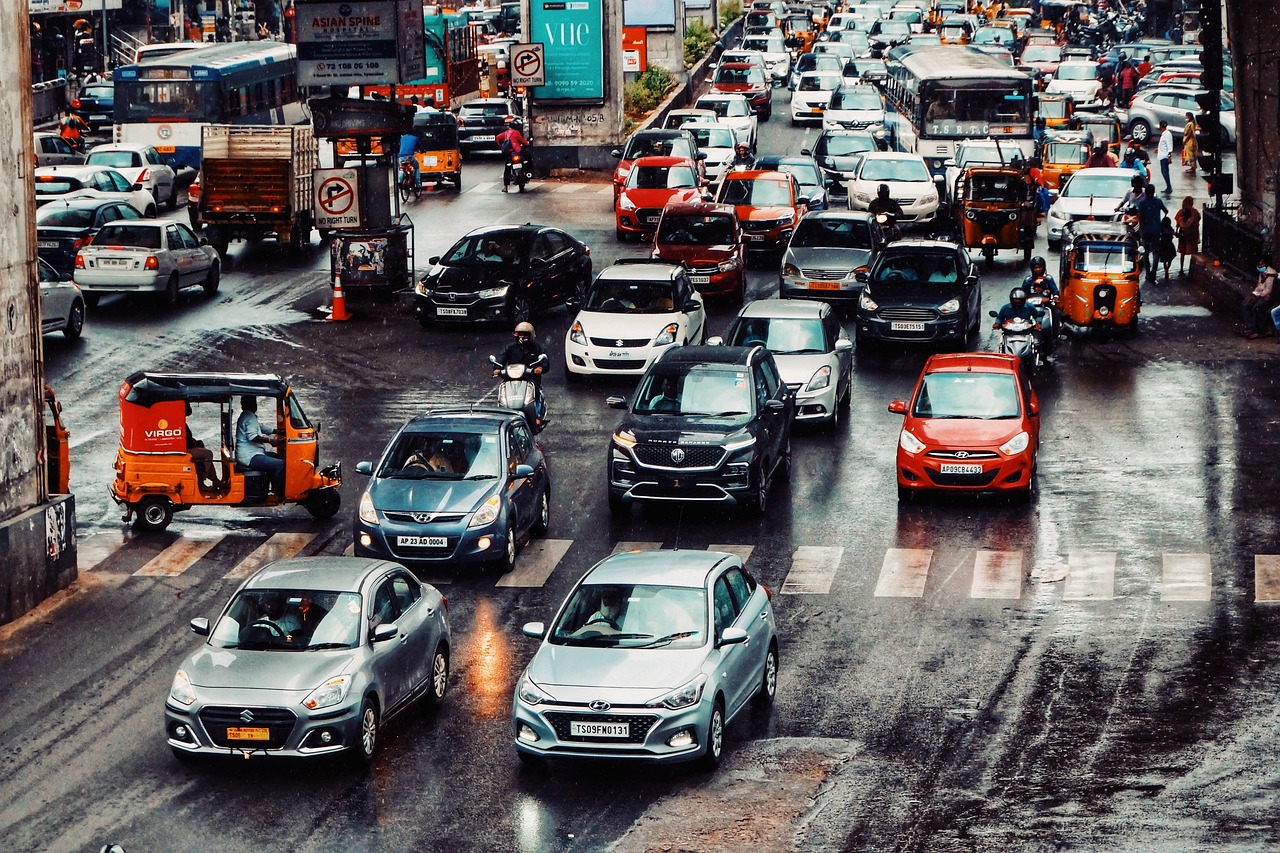
Most tolls exist to pay for the road they sit on. Congestion pricing flips that logic on its head. Instead of simply funding construction and maintenance, these tolls are designed to change when and how people drive, nudging traffic away from the busiest hours and busiest corridors. The idea has moved from economic theory to real-world policy in several major cities, and it is worth understanding whether you are likely to encounter it on your own commute.
The core concept is straightforward. When a road is free, demand exceeds capacity during peak periods, and everyone suffers in the resulting gridlock. A variable toll acts as a price signal. Drivers who place a high value on traveling at that moment pay for the privilege, while those with flexibility shift to another time, another route, or another mode. In theory, traffic flows better for everyone who remains, and the revenue can be reinvested in transit and road improvements.
What the Evidence Shows
Cities that have implemented congestion charges, including London, Stockholm, and Singapore, have generally seen measurable reductions in traffic volumes within the priced zone, along with faster bus speeds and improved air quality in some cases. Stockholm's system, introduced as a trial and then made permanent after a public vote, is often cited as a case where initial skepticism gave way to acceptance once residents experienced the benefits. That said, the details matter enormously. The size of the zone, the hours covered, the level of the charge, and the quality of transit alternatives all shape whether a program succeeds or generates backlash.
Critics raise legitimate concerns. Charges can be regressive if they fall hardest on lower-income drivers who cannot easily change their schedules or afford to live near transit. That is why many proposals pair pricing with rebates, transit investments, or exemptions for certain drivers. Others worry about boundary effects, where traffic simply shifts to unpriced roads just outside the zone, creating new bottlenecks. Careful design and monitoring are essential to catch these problems early.
What It Means for Everyday Drivers
If congestion pricing comes to your region, the practical impact depends on your travel patterns. A driver who crosses the priced zone at 6 a.m. and again at 6 p.m. every weekday will feel it most. Someone who can shift to an earlier departure, work from home part of the week, or use park-and-ride transit may barely notice. The key is to treat the charge as one more variable in your commuting math, alongside fuel, parking, and wear and tear.
Public comment periods are a real opportunity in these debates. Agencies typically publish detailed proposals, including maps, rates, and revenue forecasts, and they adjust plans based on feedback. Whether you support or oppose the idea, showing up to a hearing or submitting a comment is more effective than complaining at the gas pump. Congestion pricing is spreading, and the communities that engage with the details early tend to get a system that fits their needs rather than one imposed from above.